

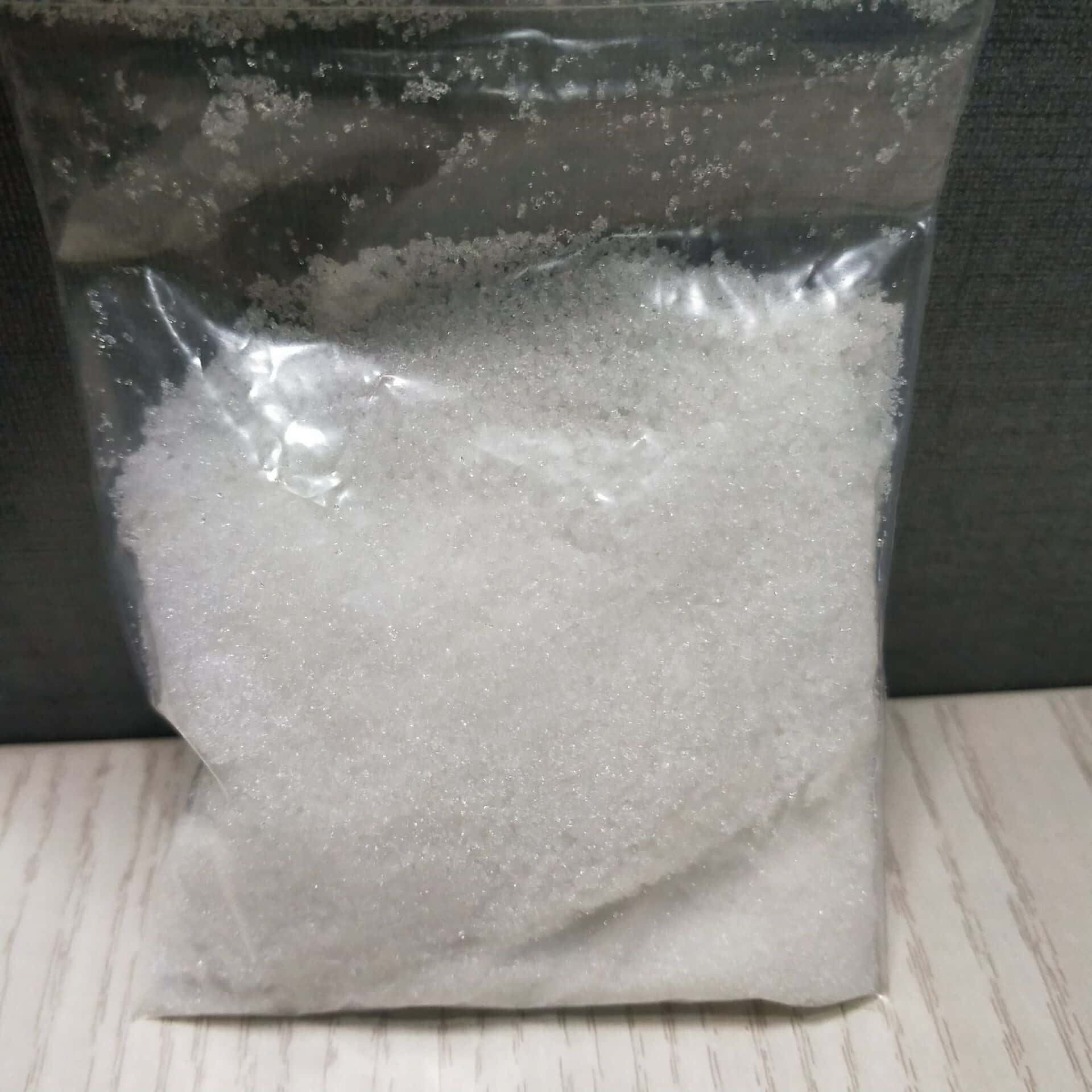
3-MeO-PCP, short for 3-Methoxyphencyclidine, is a synthetic dissociative compound that belongs to the arylcyclohexylamine class of chemicals. It is structurally related to PCP (phencyclidine) and ketamine and is known for producing dissociative, stimulating, and psychoactive effects. Buy 3-MeO-PCP online at The Cana Vape with fast UK delivery. Buy 3-MeO-PCP online at The Cana Vape with fast UK delivery.
Browse our full range of premium products at The Cana Vape.
3-MeO-PCP – Premium 3-MeO-PCP
Originally developed for research purposes, 3-MeO-PCP has gained attention in underground psychoactive communities due to its potency and long-lasting effects. Despite this interest, the compound carries significant psychological and physical risks, particularly because of its high potency and unpredictable effects.
This article provides an educational overview of 3-MeO-PCP, including its chemistry, reported effects, duration, risks, and safety concerns.
What Is 3-MeO-PCP?
3-MeO-PCP is a dissociative substance derived from PCP. Dissociatives typically alter sensory perception, awareness, and the user’s sense of connection to their body and environment.
The compound acts primarily as:
- An NMDA receptor antagonist
- A dopamine reuptake inhibitor
- A compound with stimulant-like properties at certain doses
Compared with ketamine, many users describe 3-MeO-PCP as:
- More stimulating
- Longer lasting
- More mentally intense
- Less sedating
Because of its potency, even very small dosage differences can dramatically change the experience.
History and Background
3-MeO-PCP first appeared in research chemical markets during the 2010s. It was never approved for medical use but was explored in chemical and pharmacological research due to its relationship to PCP analogs.
It became known in online communities discussing dissociative compounds, especially among individuals interested in novel psychoactive substances.
Many countries later introduced restrictions or bans because of increasing reports of hospitalizations and psychological complications.
Reported Effects
Effects vary significantly depending on dosage, environment, individual sensitivity, and mental state.
Commonly Reported Effects
- Dissociation from the body
- Altered perception of reality
- Increased energy
- Euphoria
- Enhanced confidence
- Emotional detachment
- Changes in thought patterns
- Distorted time perception
Cognitive Effects
Some users report:
- Analytical or philosophical thinking
- Intense introspection
- Confusion
- Impaired judgment
- Difficulty communicating
At higher doses, users may experience:
- Delusions
- Mania
- Psychosis-like states
- Memory impairment
Duration
3-MeO-PCP is known for its unusually long duration compared to many dissociatives.
Approximate Timeline
- Onset: 15–90 minutes
- Main effects: 4–8 hours
- Residual effects: up to 24 hours or longer
Residual stimulation and insomnia are commonly reported.
| grams | 2, 5, 10 |
|---|